
Disability support services in Beverly Hills that make home safer.
Skilled, steady help with transfers, mobility and daily routines for adults who use a wheelchair or walker or are non ambulatory.
Mobility help that protects independence
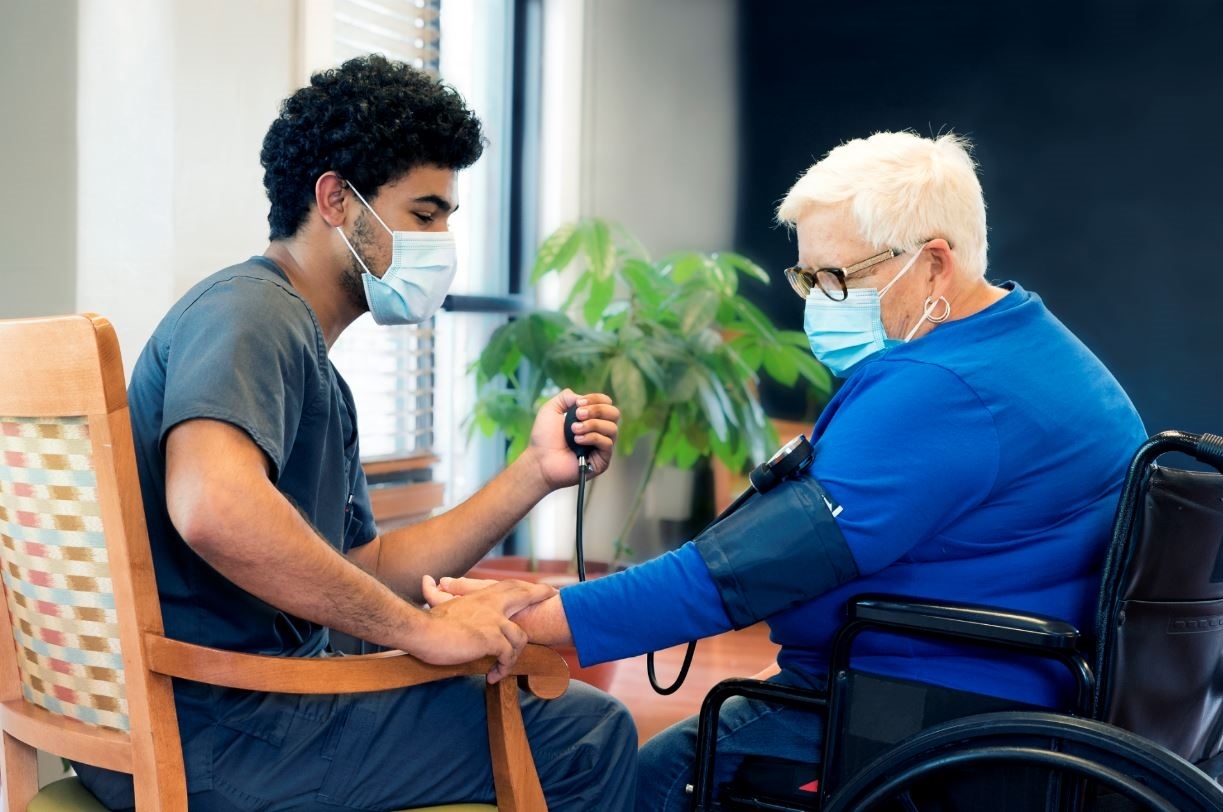
Disability support services in Beverly Hills help adults with physical limitations live comfortably and safely at home. Whether your loved one uses a walker, relies on a wheelchair or is non ambulatory, a trained caregiver can assist with the movements and tasks that are difficult or risky to attempt alone.
Limited mobility affects nearly every part of the day: getting out of bed, reaching the bathroom, sitting down for a meal, changing clothes. Each of those moments carries a chance of a fall. Our caregivers use careful technique and an unhurried pace so transfers feel secure and your loved one keeps as much control as possible. Over time, many families notice that their loved one becomes more willing to move around the house once they trust the person beside them.
This support is non medical and pairs well with other services. Many clients also receive personal care for bathing and toileting, companion care for outings and conversation, or 24 hour home care when help is needed through the night.
What in home disability support can include
Visits focus on safe movement first, then on the daily tasks that limited mobility makes harder.
A caregiver might help your loved one move from bed to wheelchair, from wheelchair to toilet, or from a seated position to standing with a walker. They position your loved one comfortably, check that brakes are locked and pathways are clear, and stay close during every step. For clients who walk with assistance, caregivers can support short walks and light exercise to help maintain strength.
Beyond mobility, caregivers help with dressing and grooming, prepare meals and provide feeding assistance when holding utensils or a cup is difficult. They also keep the home arranged for safety, moving clutter out of walkways, keeping frequently used items within reach and pointing out loose rugs or other hazards to your family.
Equipment is part of the picture too. Caregivers learn how your loved one's wheelchair, walker, shower chair or raised toilet seat is meant to be used, and they work with what is already in the home. If they see that a piece of equipment is worn, poorly placed or no longer a good fit, they share that observation with our Client Relationship Manager so your family can decide on next steps.
- Bed, chair and toilet transfers
- Wheelchair and walker assistance
- Fall prevention at home
- Dressing and grooming help
- Feeding assistance at meals
- Walking and light exercise
How disability support services in Beverly Hills begin
Safe mobility depends on knowing the person, the home and the equipment, so we start there.
Initial Consultation
Our Client Relationship Manager visits in person to observe how your loved one moves around the home. We note doorways, bathroom layout, stairs and any mobility equipment already in place.
Care Plan Creation
We create a plan around the days and hours you request, detailing how transfers should be done, which tasks need help and where the fall risks are. The plan reflects your loved one's own preferences.
Caregiver Matching
We select caregivers experienced with transfers and with the type of support your loved one needs, and whose personality suits them. Every placement is screened and insured, with ongoing training behind it.
Ongoing Oversight
Strength and mobility can change quickly. Your Client Relationship Manager stays in contact with the caregiver and your family and updates the plan when abilities improve or decline.
A thoughtful process, from first call to ongoing care
Initial Consultation
Our Client Relationship Manager meets with you and your loved one in person to understand their needs, routines and preferences.
Care Plan Creation
We build a written care plan around the hours, days and specific support your loved one needs.
Caregiver Matching
We pair your loved one with a caregiver whose skills, temperament and personality are the right fit.
Ongoing Oversight
Your Client Relationship Manager monitors care, stays in touch with your family and adjusts the plan as needs change.
Frequently asked questions
Can your caregivers help someone who cannot walk at all?
Yes. We support non ambulatory clients with transfers between bed, chair, wheelchair and toilet, along with repositioning for comfort. During the consultation, our Client Relationship Manager reviews your loved one's situation and equipment so the caregiver is prepared.
How do caregivers help prevent falls?
Caregivers stay close during transfers and walking, use steady technique and make sure wheelchair brakes and walkers are in position before every move. They also keep floors clear, improve access to everyday items and let your family know about hazards they notice in the home.
Do you help with eating for clients with limited hand strength?
Yes. Caregivers prepare meals in a way that is easier to manage and provide feeding assistance when your loved one needs it. They encourage independence wherever possible, helping only with the parts that are difficult.
Is disability support only for seniors?
Our services are centered on senior care, though disability and mobility support is available for adults whose needs fit our non medical services. Call us to describe your situation and we will tell you honestly whether we are the right fit.
Which areas do your disability support services in Los Angeles cover?
We serve Beverly Hills and the surrounding Westside, including Santa Monica, the Hollywood Hills, Brentwood and West Hollywood. The complete list is on our service areas page.